As digital technologies continue to influence education, careers, and everyday life, coding is often described as a “must-have” skill for the next generation. Schools are introducing programming earlier than ever, and many parents are asking whether their child should learn coding.
But does every child truly need to code?
This article offers a balanced perspective on the benefits, limitations, and realistic expectations surrounding coding education.
Why Coding Is Often Called a “Future Skill”
Coding is frequently associated with automation, artificial intelligence, and the evolving job market. As industries become increasingly technology-driven, digital literacy and computational thinking are viewed as essential competencies.
Research from organizations such as OECD highlights the growing importance of problem-solving and technology-related skills in future employment landscapes. Understanding how software works—even at a basic level—can help students better navigate a digital world.
However, labeling coding as mandatory for all children oversimplifies the issue.
The Educational Benefits of Learning Coding
There are well-documented cognitive and developmental advantages to early exposure to programming.
1. Strengthened Problem-Solving Skills
Coding requires children to break down complex tasks into manageable steps. This structured thinking supports performance in mathematics and science and reinforces analytical reasoning.
2. Development of Computational Thinking
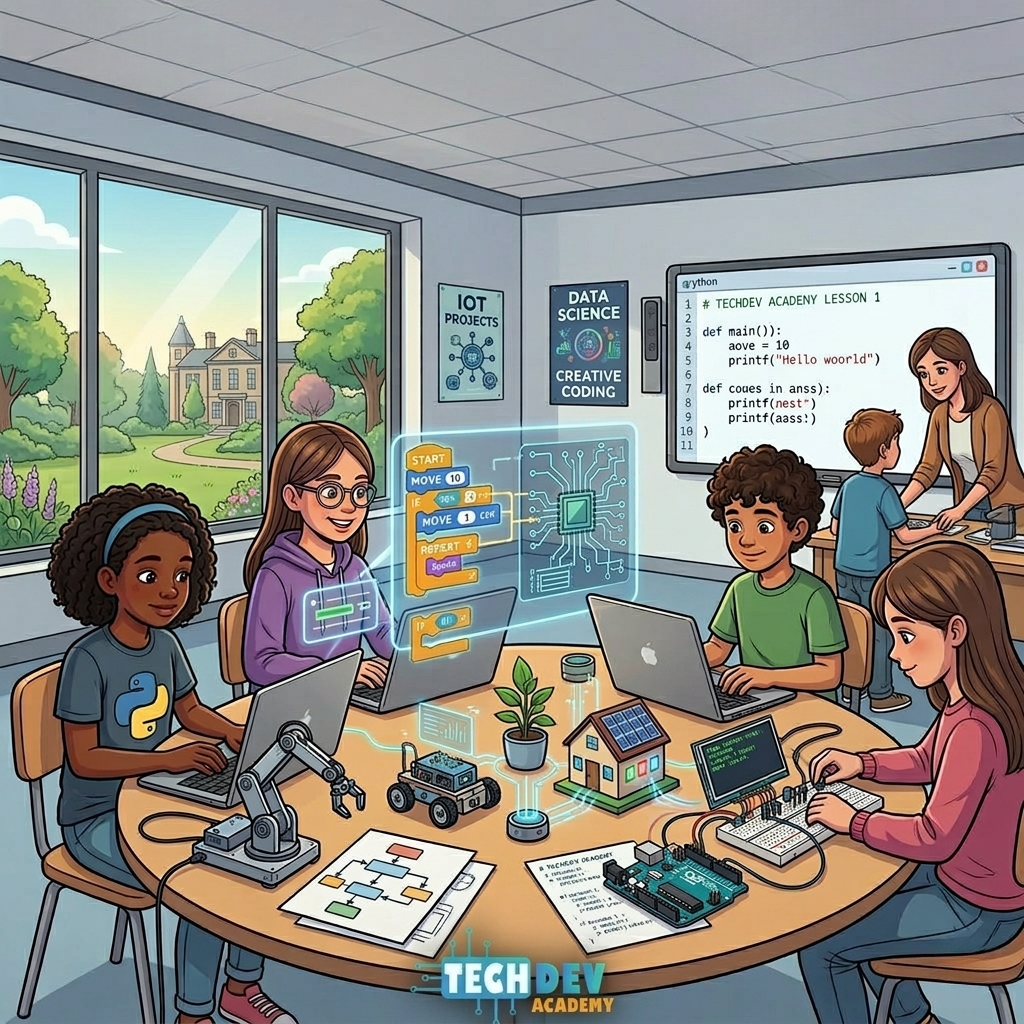
Computational thinking involves recognizing patterns, creating logical sequences, and evaluating outcomes. Educational research surrounding platforms like Scratch, developed at Massachusetts Institute of Technology, suggests that block-based programming can effectively introduce these foundational concepts to young learners.
3. Encouraging Creativity
Programming is not limited to technical execution. Children can design games, animations, and interactive projects. Older students often transition to text-based languages such as Python to build simple applications or explore automation.
4. Building Digital Confidence
Learning how software is created shifts children from passive users of technology to active creators. This confidence can influence how they approach other academic challenges.
Are There Potential Downsides?
While coding has clear benefits, it is important to maintain perspective.
Interest and Individual Strengths
Not every child is naturally interested in programming. Some may thrive in creative arts, athletics, humanities, or social sciences. A balanced education should recognize diverse talents rather than prioritize one skill universally.
Overemphasis on Technical Skills
Although technology plays a major role in modern society, skills such as communication, collaboration, and emotional intelligence remain equally critical. Coding should complement—not replace—these competencies.
Screen Time Balance
Coding often requires computer use. Parents should consider healthy screen time habits, particularly for younger children.
Acknowledging these factors ensures a realistic discussion rather than a trend-driven one.
Does Every Child Need to Learn Coding?
Most children do not need to become advanced programmers. However, gaining basic exposure to programming concepts can be valuable.
Just as students study mathematics without all becoming mathematicians, children can benefit from understanding how algorithms and digital systems operate—even if they pursue non-technical careers.
In many fields, from business to healthcare, familiarity with technology and data-driven systems is increasingly relevant.
The more constructive question may not be whether every child must learn coding, but rather how coding fits into a balanced educational experience.
A Balanced Approach to Coding Education
Introducing programming does not require an immediate commitment to advanced courses. Early exposure through age-appropriate tools can help children explore logical thinking in an accessible way. If interest continues, they can gradually move toward more structured programming environments.
Ultimately, coding should support curiosity, resilience, and structured problem-solving. When introduced thoughtfully, it becomes one component of a well-rounded education rather than a universal requirement.
Frequently Asked Questions
Is coding necessary for every child?
Coding is not mandatory for all children, but basic exposure can help develop transferable skills such as logical reasoning and problem-solving.
At what age should children start learning coding?
Many children can begin exploring block-based programming between ages 5 and 7. More structured, text-based programming is typically suitable for ages 8 and above.
Is coding important for future careers?
While not all careers require programming, understanding digital systems and computational thinking is increasingly relevant across many industries.
Can coding replace traditional subjects?
No. Coding should complement foundational subjects such as mathematics, language, and science rather than replace them.