In the high-performance ecosystem of elite universities and tech-driven industries, the definition of “talent” has shifted significantly over the last decade. For years, the academic focus was almost exclusively on IQ and technical proficiency. However, as artificial intelligence and automation continue to commoditize hard skills, a different differentiator has emerged as the true predictor of long-term success: Emotional Intelligence (EQ).
At TechDev Academy, we track the progress of students entering top-tier institutions and high-growth careers. As a result, we have observed a consistent pattern: while technical knowledge gets a student into the room, their ability to manage themselves and influence others is what ultimately determines how far they go. Therefore, we view emotional intelligence not as a “soft skill,” but as a critical technical requirement for the modern leader.
The Neuroscience of High Performance
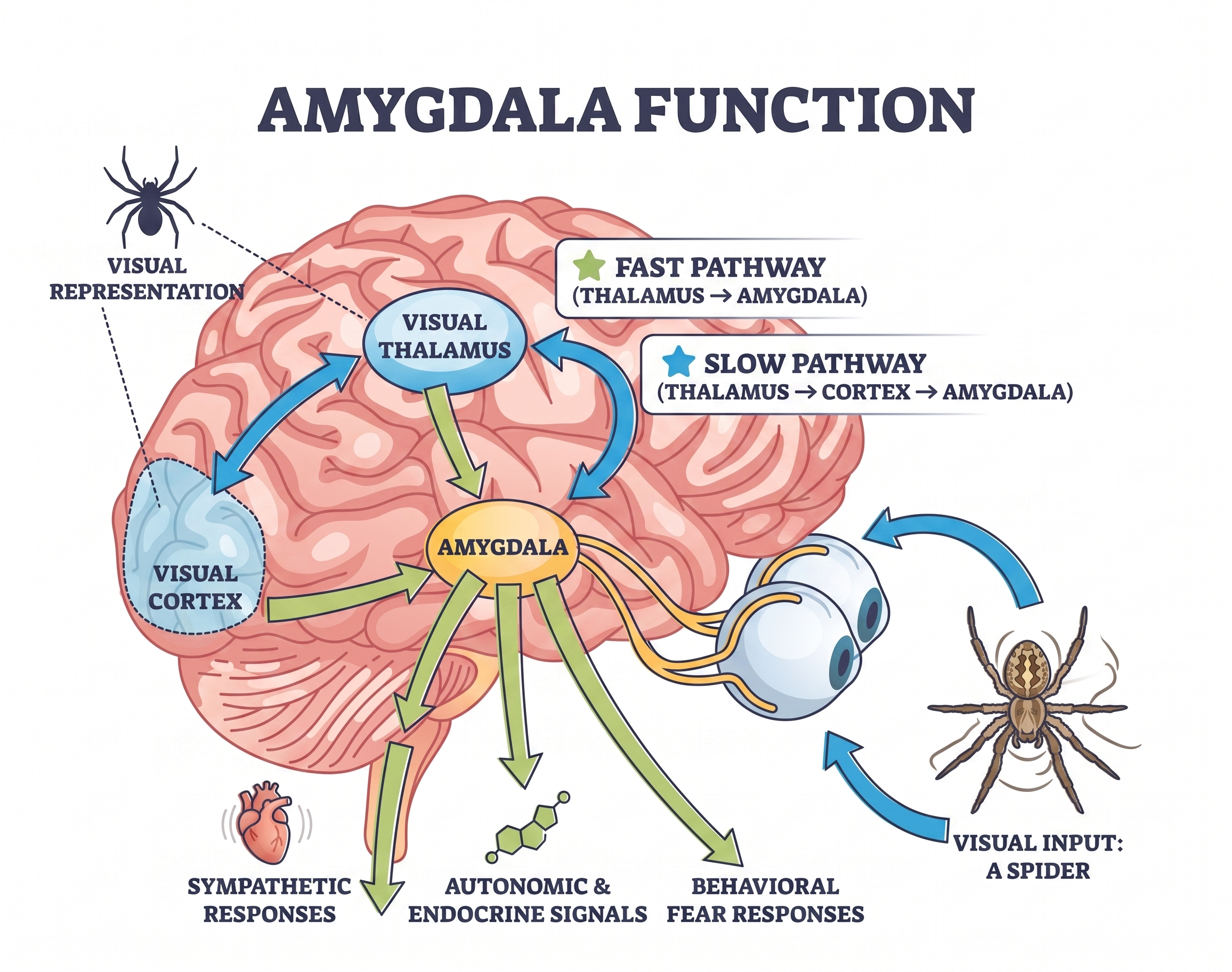
To understand why EQ is so effective, one must first look at the biology of the brain. When a student is under extreme stress—such as during a competitive internship or a final exam—the amygdala (the brain’s emotional center) can “hijack” the prefrontal cortex (the center for logic and decision-making). Consequently, without high emotional intelligence, a student’s IQ effectively drops during the moments they need it most.
Specifically, emotional intelligence functions as the operating system that regulates this biological response. By doing so, it ensures that the logical brain remains in control even under intense pressure. In addition, this self-regulation allows for better memory retention, clearer communication, and more creative problem-solving.
The Five Pillars of Emotional Performance
To understand how these internal skills translate into real-world output, we must break down the framework popularized by Daniel Goleman. Specifically, there are five areas where EQ dictates a student’s trajectory:
-
Self-Awareness: This is the ability to identify an emotional state before it dictates behavior. For instance, a self-aware student recognizes when they are reaching burnout, allowing them to pivot rather than crash.
-
Self-Regulation: This functions as the ultimate “filter.” It is the discipline to stay calm when a project fails. In addition, it is the foundation of high-level management in the professional world.
-
Intrinsic Motivation: This involves moving beyond the “carrot and stick” of grades. Instead, it is the drive to pursue a project because of a commitment to the objective, regardless of immediate external rewards.
-
Empathy as Intelligence: This is not just about “feeling” for others; rather, it is about social data collection. Indeed, it is the ability to read a room and predict how a team will react to a decision.
-
Social Architecture: This represents the skill of resolving conflict and building networks. Ultimately, in elite circles, your network is your net worth.
The Shift in Global Admissions: The “Resilience Filter”
Furthermore, the 2026 academic landscape has moved far beyond the “test score arms race.” Ivy League and top-tier global universities are now increasingly screening for character, grit, and resilience.
Why Admissions Officers Look for “Distance Traveled”
Admissions officers are looking for what they call “Distance Traveled.” In other words, they want to see how a student handled a significant failure or an unexpected hurdle. A student with high emotional intelligence can narrate a setback in a way that shows growth, agency, and maturity. Conversely, a student who lacks these skills often struggles to explain their character arc, appearing “brittle” to the committee. This is exactly why we make resilience a core focus of our Elite College Prep track.
The “Team-First” Tech Economy
Similarly, Silicon Valley and global fintech hubs no longer want the “brilliant jerk” archetype. Modern innovation happens in cross-functional teams. Therefore, if a developer cannot navigate a code review without taking it personally, they become a liability to the company. Because of this, we integrate social-emotional checks into our Mentorship Program to ensure our students are truly market-ready.
Integrating Emotional Resilience into Daily Growth
Nurturing these qualities does not happen through passive lectures; on the contrary, it happens through intentional struggle. At TechDev Academy, we emphasize Project-Based Learning because it forces students to face the “emotional wall”—that moment in a project where nothing works and the deadline is looming.
Strategies for High-Level Development at Home
-
Validate the Struggle, Not Just the Win: When a student fails, the goal is not to comfort them with platitudes. Instead, help them process the data. For example, try saying: “It makes sense that you’re frustrated; how do we fix the logic?”
-
Foster Agency: Stop fixing every hurdle for your child. Otherwise, you are robbing them of an opportunity to build self-regulation. Essentially, every conflict they solve themselves is a win for their future career.
-
Contextualize Social Skills: Treat social interactions like any other technical skill. By doing so, you help them understand the “why” behind successful negotiation and influence.
The Long-Term ROI: EQ as a Career Accelerator
In addition to academic benefits, the professional return on investment for emotional intelligence is staggering. Statistics suggest that EQ accounts for nearly 60% of performance in high-level leadership roles. Moreover, individuals with high emotional intelligence earn, on average, $29,000 more per year than their counterparts with lower EQ.
Therefore, when we talk about “future-proofing” a child’s career, we aren’t just talking about teaching them the latest coding language. Rather, we are talking about giving them the internal tools to lead teams, navigate complex office politics, and stay resilient in a volatile economy.
FAQ: Critical Questions for the Modern Parent
Is EQ more important than technical skills (IQ)? It’s not an “either/or” scenario. Rather, technical skills are the price of entry, while EQ is what allows you to scale those skills. In short, you need the math to build the bridge, but you need the EQ to get the bridge funded and the team to build it.
How does TechDev Academy measure emotional growth? We look at peer feedback and the ability to handle constructive criticism. Moreover, we track the persistence shown during long-term projects like our Young Entrepreneur Bootcamp.
Can these skills be taught to teenagers who seem “closed off”? Absolutely. The teenage brain is incredibly plastic. In fact, this is the most critical time to build these habits, as the prefrontal cortex—the center for self-regulation—is still developing.
The Future Belongs to the Self-Managed
To conclude, in an era where every technical answer is a click away, the most valuable person in the room is the one who stays calm, thinks clearly, and brings people together. Therefore, investing in your child’s emotional intelligence isn’t just about their well-being; it’s about their power. Ultimately, it ensures they aren’t just participants in the future economy—they are the ones leading it.
Take the Next Step in Their Development
-
Mentorship for Future Leaders: Deep-dive into character development and career scaling.
-
Entrepreneurship Bootcamp: Real-world EQ training through building real-world businesses.
-
Admissions Strategy: Learn how to showcase resilience and character in your college applications.