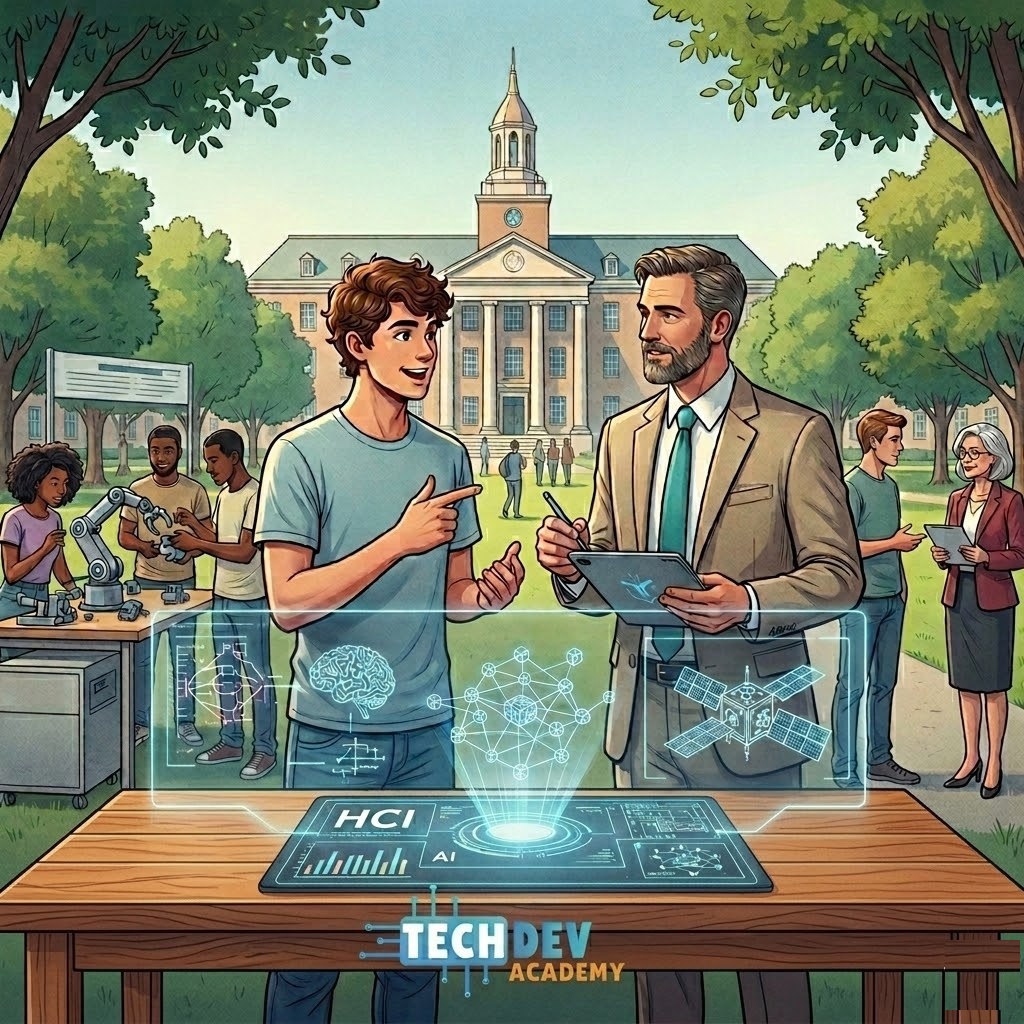
People often think of education as something that happens in classrooms: textbooks, lectures, assignments, tests. But while schools are essential for building foundational knowledge, they can’t teach everything a person needs to succeed in life or career. That’s where mentors step in — offering guidance that goes far beyond the curriculum.
Real‑World Experience Over Textbook Theory
One of the biggest limitations of schools is their reliance on theory. Lessons are structured, standardized, and uniform — meant to teach many students at once. This works well for foundational knowledge, but it often leaves a gap between what students learn and what they’ll actually face in the real world.
Mentors, on the other hand, bring real experience into the learning process. They’ve faced challenges, made mistakes, navigated uncertainty, and developed solutions through trial and error. A mentor can share how they handled a tough negotiation, what went wrong in a failed project, and the lessons they learned — insights that don’t fit neatly into a lesson plan.
This kind of real‑world wisdom helps mentees understand not just what to do, but why and how decisions matter in practice. It bridges the gap between classroom learning and real life.
Personal Growth and Self‑Discovery
Schools often focus on grades, knowledge retention, and performance. But schools rarely teach personal development — the process of understanding your strengths, weaknesses, motivations, and work style.
Mentors play a unique role in helping people discover more about themselves. Through personal conversations, tailored feedback, and ongoing encouragement, mentors help mentees reflect on their goals, values, and identity. They can ask tough questions like:
- What are you truly passionate about?
- What fears are holding you back?
- What kind of work makes you feel fulfilled?
These questions are rarely part of a school’s curriculum, yet they are crucial for long‑term success and fulfillment. Mentors can help mentees build confidence, resilience, and self‑awareness — qualities that shape not just careers, but lives.
Networking and Opportunities
Schools provide classmates, teachers, and maybe a few career fairs — but they rarely open doors to actual opportunities outside the academic environment. Mentors, with their own networks and industry experience, can do something schools rarely can: introduce mentees to the people and opportunities that matter.
A mentor might connect you with a job lead, introduce you to a potential collaborator, or refer you to someone who can help your project move forward. These kinds of connections are invaluable, especially early in a career, and they often come from personal relationships rather than institutional programs.
This aspect of mentorship — access to networks and doors that would otherwise remain closed — can accelerate growth in ways that school alone cannot.
Tailored Guidance vs One‑Size‑Fits‑All Teaching
In school, every student follows the same curriculum at the same pace. Teachers are limited by time, class size, and standardized expectations. This system is efficient, but not personalized.
Mentors, in contrast, offer individualized attention. They meet you where you are, understand your unique strengths and challenges, and tailor their guidance accordingly. Whether you struggle with confidence, need help navigating career choices, or want to refine a specific skill, a mentor’s advice is customized to your needs in a way schools are not designed to provide.
This personalized approach helps mentees grow faster and more meaningfully because the guidance is relevant to them — not to a large classroom.
Learning How to Learn
Schools teach facts, theories, and subject‑based knowledge — but they don’t always teach how to learn effectively. Schools often assume students possess critical thinking, self-directed study habits, and creative problem-solving skills, rather than explicitly teaching them.
Mentors coach mentees on how to learn. They model good habits, offer strategies to tackle unknown challenges, and help mentees build the mindset needed to grow continuously. This “learning how to learn” mindset is essential in a world where skills and industries change rapidly. What’s relevant today might become obsolete in a few years — but the ability to adapt and learn will always matter.
Emotional Support and Accountability
Tests, assignments, and report cards push students to perform — but they don’t always build emotional resilience. When young professionals face rejection, burnout, or career uncertainty, schools can’t offer the kind of one‑on‑one emotional support that helps people persevere.
Mentors do. They act as sounding boards when things get tough, encourage mentees through setbacks, and cheer on successes — big and small. This support goes beyond academic evaluation; it builds psychological strength and motivates consistent progress.
Mentors also hold mentees accountable — not in a strict, disciplinary way, but in a supportive way that keeps people focused on goals and responsible for their commitments.
A Complement, Not a Replacement
It’s important to emphasize: mentorship isn’t a replacement for formal education. Schools give structure, foundational knowledge, and essential academic skills. Mentors don’t replace teachers — they amplify learning by filling in gaps that schools don’t address well on their own.
Together, education and mentorship create a more complete learning experience: knowledge plus real‑world insight, structure plus personalized growth, theory plus application.
Mentorship teaches what textbooks can’t: real experience, personal growth, networks, tailored guidance, how to learn, and emotional support. These lessons help individuals navigate life and careers with confidence and adaptability — something every learner needs in today’s fast‑changing world.
Get access to 300+ social media templates with our Social Media Kit