Ever watch your child light up when they figure out a tricky game or ask endless questions about how their favorite app works? These could be early sparks of a future coder! As a parent, supporting kids in programming starts with recognizing these subtle (or not-so-subtle) signs and then gently nurturing that curiosity. It’s not about pushing them into a specific career, but about empowering them with skills that build strong thinkers, problem-solvers, and creators.
At TechDev Academy, we’ve seen firsthand how early encouragement can blossom into a lifelong passion. This guide is designed to help you identify potential interest in coding in your child and offer practical ways for nurturing tech talent in a supportive, pressure-free way. We’ll explore everything from spotting initial clues to finding the right beginner programming tools.
Signs Your Child May Love Programming
Identifying interests in children often involves observing their natural inclinations and play patterns. While every child is unique, certain behaviors can indicate a budding affinity for the kind of thinking involved in programming.
Curiosity in Tech Gadgets (Beyond Just Using Them)
Many kids love playing on tablets or smartphones. But a child potentially inclined towards coding might show a deeper level of engagement:
- “How does this work?” questions: They might frequently ask how a game was made, why an app behaves a certain way, or what’s inside a computer. This curiosity about the “behind-the-scenes” is a strong indicator.
- Experimenting with settings and features: Do they enjoy figuring out all the features of a new device or software, sometimes more than its primary use? This shows an analytical and explorative mindset.
- Interest in creating, not just consuming: Perhaps they talk about ideas for their own game or app, or try to modify existing games (if the platform allows).
Enjoyment of Puzzles and Logic Games
Programming is fundamentally about problem-solving and applying logic. A child who enjoys these types of activities might naturally gravitate towards coding:
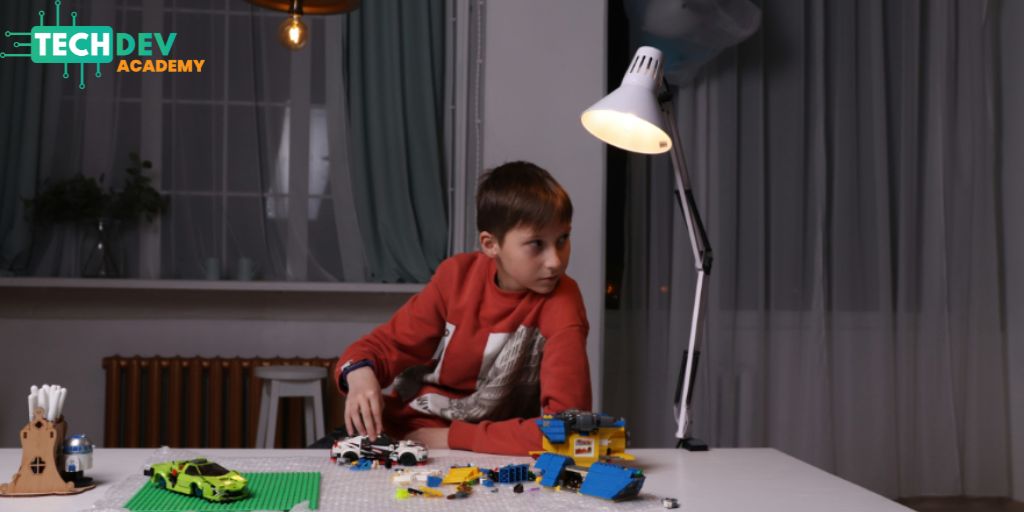
- Love for LEGOs, building blocks, or intricate construction toys: These toys encourage planning, spatial reasoning, and seeing how individual pieces form a complex whole, much like lines of code in a program.
- Drawn to strategy board games, chess, or puzzle video games: Games that require planning ahead, thinking about cause and effect, and finding efficient solutions exercise the same mental muscles as coding.
- Persistence in solving riddles or brain teasers: If your child doesn’t give up easily when faced with a tricky puzzle and enjoys the “aha!” moment of finding a solution, they have the kind of tenacity that coders need. As a parent, you might notice them saying, “Let me try one more time!” – that perseverance is golden.
Recognizing these early signs is the first step. If you see these traits, your child might find the world of kids and coding education incredibly rewarding. You can explore some fun ways to test this interest with our list of educational coding games.
Encouraging Their Learning Path
Once you’ve spotted a potential interest, how do you go about supporting kids in programming without making it feel like another school subject? The key is to create an environment that encourages exploration and provides accessible resources.
Creating a Home Environment for Tech Learning
Your home can be a fantastic launchpad for your child’s coding journey.
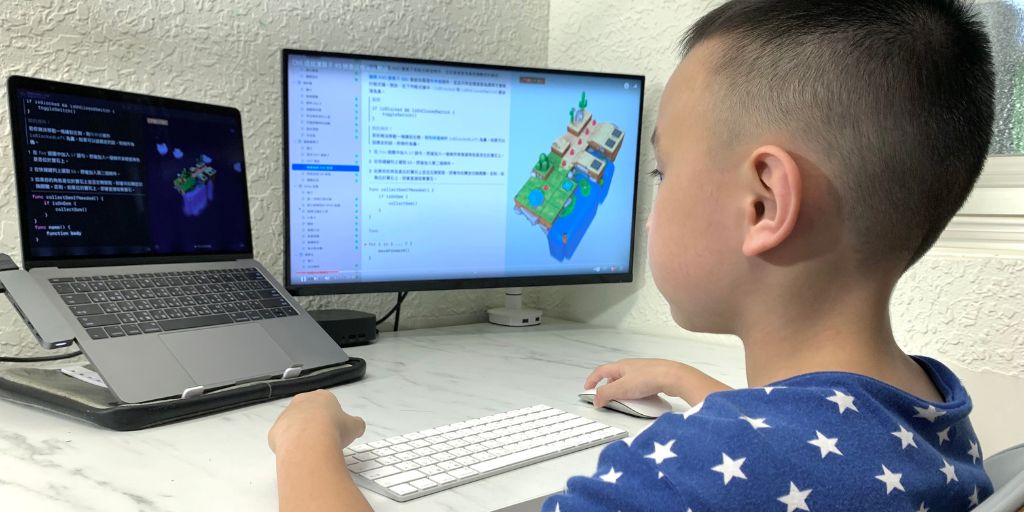
- Access to appropriate technology: This doesn’t necessarily mean the latest, most expensive gadgets. A reasonably modern computer or tablet is often sufficient to get started with many beginner-friendly coding platforms.
- Dedicated time for exploration: Just like you might set aside time for reading or sports, allow for “tech exploration time” where they can play coding games or work on projects without other commitments.
- Focus on fun and experimentation: Encourage play! Many beginner programming tools are designed as games. Educational experts often highlight that “play is the highest form of research,” as Albert Einstein reportedly said. When learning feels like play, children are more engaged.
- Show your own interest (even if you’re not a coder!): Ask them to show you what they’re working on. Celebrate their small victories, like when they fix a bug in their game or complete a coding challenge. Your enthusiasm is a powerful motivator.
- Project-based learning: Help them find projects that align with their other interests. If they love space, maybe they can code a simple Mars rover game. If they’re into music, they could try coding a virtual instrument. This makes coding relevant and more exciting.
Enrolling in After-School or Online Programs
While a supportive home environment is crucial, structured programs can provide expert guidance and a community of like-minded peers.
- Age-appropriate curriculum: Good programs, like those offered at TechDev Academy, are designed to introduce concepts in a way that matches a child’s developmental stage. For instance, younger kids might start with block-based coding like Scratch, while older ones might be ready for Python.
- Experienced instructors: Educators who specialize in teaching coding to children can make complex topics understandable and engaging. They can also provide personalized feedback and help troubleshoot problems.
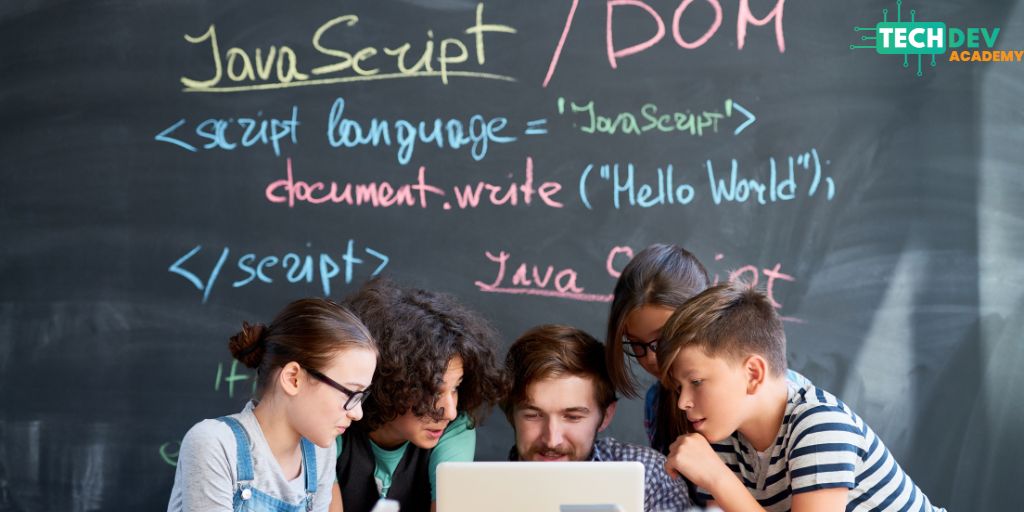
- Peer learning and collaboration: Learning alongside other kids can be highly motivating. They can share ideas, collaborate on projects, and learn from each other. This social aspect is often missing in purely self-directed learning. Research from the University of Washington on teaching computer science suggests that peer collaboration significantly enhances learning and retention.
- Pathways for growth: Structured programs can offer a clear progression from beginner to more advanced topics, keeping your child challenged and engaged over the long term. One of such upcoming programs is the Entrepreneurship Olympiad, a global event at Stanford where your kid can learn from world-class CEOs, experience the Silicon Valley environment, and launch their first startup. So don’t wait and get your child enrolled in this program by visiting TechDev Academy’s website.
Talking to Kids About Coding Without Pressure
One of the most important aspects of supporting kids in programming is to keep the conversation light, positive, and free of pressure. The goal is to nurture an interest, not to force a career path.
- Focus on the “why,” not just the “what”: Instead of just saying “you should learn to code,” talk about what coding allows them to do. “Imagine if you could build your own game!” or “Think about how apps that help people are made.”
- Connect it to their passions: If they love art, explain how coding can create digital art or animations. If they’re into storytelling, show them how they can create interactive narratives.
- Share your own learning experiences: Talk about times you learned something new and how it felt challenging at first, but rewarding later. This normalizes the learning process.
- Let them lead: If they show interest, provide opportunities. If they don’t, or if their interest wanes, that’s okay too. Forcing it can backfire. A child might say, “I like playing games more than making them right now,” and respecting that choice is important. They might come back to it later.
- Emphasize skills, not just the “coder” label: Talk about how coding helps build problem-solving skills, creativity, and logical thinking – all skills that are valuable in any field.
- Keep it open-ended: Ask questions like, “What kind of things would you like to be able to create with a computer?” or “If you could invent an app, what would it do?” This encourages them to dream and see coding as a tool for their imagination.
When kids are genuinely curious and enjoy the process, they’ll naturally seek out more knowledge and challenges. Pressure, on the other hand, can stifle that intrinsic motivation.”
Frequently Asked Questions (FAQs)
Q1: What behaviors show an early interest in tech?
A: Look for deep curiosity about how gadgets work (beyond just using them), a love for puzzles and logic games, enjoyment in building or constructing things (like with LEGOs), persistence in solving problems, and an interest in creating their own digital content like games or stories.
Q2: How can I gently encourage a hobby in programming?
A: Introduce fun, game-based coding tools or apps. Show interest in what they’re creating. Connect coding to their existing hobbies. Offer opportunities like coding clubs or simple online tutorials without making them mandatory. Focus on the fun and creative aspects.
Q3: What are low-cost resources to explore?
A: Many excellent resources are free!
- Scratch: Free visual programming language from MIT.
- Code.org: Offers free Hour of Code activities and longer courses.
- Khan Academy: Has free introductory programming courses.
- Many beginner programming tools, like LightBot, have free introductory versions.
- Local libraries often have coding clubs or access to learning platforms.
Q4: Is it too late if my child is already a teen?
A: Absolutely not! While starting younger has its benefits, teens are often capable of learning coding concepts very quickly due to more developed abstract thinking skills. Many successful programmers started in their teens or even later. Make sure your kid signs up for our world-class event, Entrepreneurship Olympiad, to get once in a lifetime programming mentorship experience..
Q5: How much time should kids spend on coding each week?
A: There’s no magic number. It depends on their age, interest level, and other commitments. For younger kids, even 30 minutes to an hour, 1-2 times a week, using engaging games or tools can be beneficial. For older kids or teens who are genuinely passionate, they might spend several hours. The key is consistency and ensuring it remains enjoyable and doesn’t replace other essential activities like outdoor play, homework, and family time. Focus on quality of engagement over quantity of hours.