Most people think building a startup idea takes months. It does not. The core process — finding a real problem, testing whether people care, and shaping a solution worth building — can happen in 48 hours if you know what you are doing.
This is not theoretical. It is exactly what students do at TechDev Academy’s Entrepreneurship Bootcamp in Silicon Valley. Three days. A real startup concept. A live pitch to judges.
This article breaks down the same process so you can try it yourself — this weekend.
📌 Quick Answer
To build a startup idea from scratch, start by identifying a specific problem you or others genuinely face. Talk to potential customers to confirm it matters. Sketch a simple solution. Define who would pay and why. Shape it into a one-sentence pitch. The whole process can happen in a weekend — if you follow the right steps in the right order.
In This Article
- Why Most People Never Start
- Day 1 Morning: How Do You Find a Problem Worth Solving?
- Day 1 Afternoon: How Do You Validate the Problem Fast?
- Day 2 Morning: How Do You Turn a Problem Into a Solution?
- Day 2 Afternoon: How Do You Build a Simple Business Model?
- Day 3: How Do You Shape Your Idea Into a Pitch?
- What Does a Real 3-Day Bootcamp Schedule Look Like?
- Frequently Asked Questions
Why Do Most People Never Start?
The most common reason people never build their startup idea is not a lack of ideas. It is waiting for the perfect one.
They assume a startup idea needs to be original, technically complex, or completely unique before it is worth pursuing. None of that is true. The best startup ideas are usually simple solutions to specific problems that enough people face — and that nobody has solved well enough yet.
The weekend framework below is designed to cut through that paralysis. It forces you to move from “I have a vague idea” to “here is a specific problem, here is who faces it, here is how I would solve it, and here is why someone would pay.”
Day 1 Morning: How Do You Find a Problem Worth Solving?
The best startup ideas do not come from brainstorming sessions. They come from paying attention to friction — the moments in daily life where something is harder, slower, more expensive, or more frustrating than it needs to be.
Where to Look for Problems
- Your own life. What do you do every week that feels unnecessarily difficult?
- People around you. What do your classmates, parents, or community members complain about regularly?
- Existing products you use. What do you wish worked differently?
- Industries you know. If you have experience in sports, music, education, or any other area — what problems do insiders see that outsiders miss?
How to Narrow It Down
Generate at least 10 problems before you commit to one. Write them all down without filtering. Then ask three questions about each one:
- Does this problem affect a specific group of people — not just “everyone”?
- Is the current solution genuinely bad, or just slightly inconvenient?
- Would someone pay money to solve this — or just say they would?
The problem that scores best on all three is your starting point.
💡 Pro Tip: The best problems feel almost embarrassingly obvious once you name them. If your problem sounds too simple, that is often a sign you are onto something real.
Action Checklist
- Write down 10 problems without filtering
- Score each on specificity, severity, and willingness to pay
- Pick one problem to pursue for the rest of the weekend
- Write it as one sentence: “___ struggle with ___ because ___”
Day 1 Afternoon: How Do You Validate the Problem Fast?
Before you build anything, you need to confirm the problem is real — not just real to you, but real to enough people that a business could exist around solving it.
The Fast Validation Method
You do not need a survey platform or a focus group. You need five conversations.
Find five people who match your target customer and ask them three things:
- “Have you ever experienced [the problem]?”
- “How do you currently deal with it?”
- “How much does that solution cost you — in time, money, or frustration?”
You are not pitching your solution yet. You are listening. The goal is to hear whether they describe the problem the same way you do — and whether it bothers them enough to want something better.
⚠️ Common Mistake: Asking “would you use an app that solved X?” People say yes to almost everything when asked hypothetically. Ask about their actual current behavior instead.
What You Are Looking For
- They describe the problem without prompting
- Their current solution is genuinely painful or expensive
- At least three of the five say they would actively want something better
If you get that from five conversations in an afternoon, you have enough to move forward.
Action Checklist
- Identify 5 people who match your target customer
- Complete 5 conversations focused on the problem — not your solution
- Document exact quotes and patterns
- Decision: does the problem hold up? Proceed or return to Day 1 Morning
Day 2 Morning: How Do You Turn a Problem Into a Solution?
Now that you have confirmed the problem is real, the goal is to design the simplest possible solution — not the most impressive one.
Start With the Minimum Viable Solution
A Minimum Viable Solution is the smallest version of your idea that actually solves the core problem for one specific customer. It does not need to be an app, a platform, or a product. It could be a spreadsheet, a service, a process, or a single feature.
Ask yourself: what is the one thing that would make this problem meaningfully better — right now, with what already exists?
| Overbuilt Solution | Minimum Viable Solution |
|---|---|
| Full AI-powered tutoring platform | Weekly one-on-one tutoring session with a vetted student |
| Comprehensive wellness app | A weekly check-in text message with personalized tips |
| Marketplace for teen freelancers | A curated list sent by email to local businesses |
The minimum viable solution is not your final product. It is your first test. It tells you whether your core idea works before you invest months building something nobody wants.
Design Your Solution
Write down answers to three questions:
- What specifically does your solution do?
- How does a customer use it — step by step?
- What does the customer experience that they do not have today?
💡 Pro Tip: If you cannot explain your solution in two sentences to someone who has never heard of your problem, it is too complex. Simplify until you can.
Action Checklist
- Define your minimum viable solution in one paragraph
- Describe the customer experience step by step
- Identify what you need to deliver it — tools, people, resources
- Explain it in two sentences without jargon
Day 2 Afternoon: How Do You Build a Simple Business Model?
A solution without a business model is a hobby. This step turns your idea into something that could actually sustain itself.
The Four Questions Every Business Model Must Answer
1. Who pays?
Be specific. Not “students” — “high school students in California preparing for AP exams who currently spend $50-100/month on tutoring.”
2. How much do they pay?
Pick a number. It does not need to be perfect — it needs to be believable. Research what people currently spend on alternatives and price relative to that.
3. How do you reach them?
Where do your customers already spend time? What would make them notice you? The simpler and more direct the channel, the better.
4. What does it cost you to deliver?
List your main costs. Time, materials, software, people. Does the math work at the price you set?
Simple Revenue Projection
You do not need a full financial model. You need one honest calculation:
If I charge [price] and get [number] of customers in [timeframe], I make [revenue]. My costs are [costs]. My profit is [profit].
If the math makes sense — even roughly — you have a business model worth testing.
💡 Pro Tip: Start with a price that feels slightly too high. Most first-time founders underprice because they are nervous. Charging more forces you to deliver more value — which makes your business stronger.
Action Checklist
- Define your customer in one specific sentence
- Set a price with a clear rationale
- Identify your top two customer acquisition channels
- Complete a simple one-line revenue projection
Day 3: How Do You Shape Your Idea Into a Pitch?
By Day 3 you have a validated problem, a minimum viable solution, and a basic business model. Now you need to communicate it clearly enough that someone else immediately understands and believes in it.
The One-Minute Pitch Structure
Every startup pitch — whether it is 60 seconds or 10 minutes — covers the same core elements:
- The Problem: One sentence. Specific. Real.
- Who Has It: One sentence. A named, identifiable group of people.
- The Current Solution and Why It Falls Short: One sentence.
- Your Solution: What you are building and why it is better.
- The Business Model: How you make money.
- The Ask: What you need to move forward.
Practice it out loud. Time it. Record yourself. Watch the recording and cut anything that does not make the idea clearer or more believable.
The One-Sentence Pitch Test
Before you present to anyone, you should be able to complete this sentence:
“We help [specific customer] solve [specific problem] by [specific solution] — unlike [current alternative] which [specific weakness].”
If you can say that confidently and clearly, you are ready to pitch.
💡 Pro Tip: Do your first pitch to someone who knows nothing about your idea and nothing about startups. If they understand it and find it compelling, you are ready. If they look confused, keep simplifying.
Action Checklist
- Written one-minute pitch covering all six elements
- Practiced out loud at least 3 times
- Recorded yourself and watched it back
- Pitched to at least one person outside your team and incorporated their feedback
What Does a Real 3-Day Bootcamp Schedule Look Like?
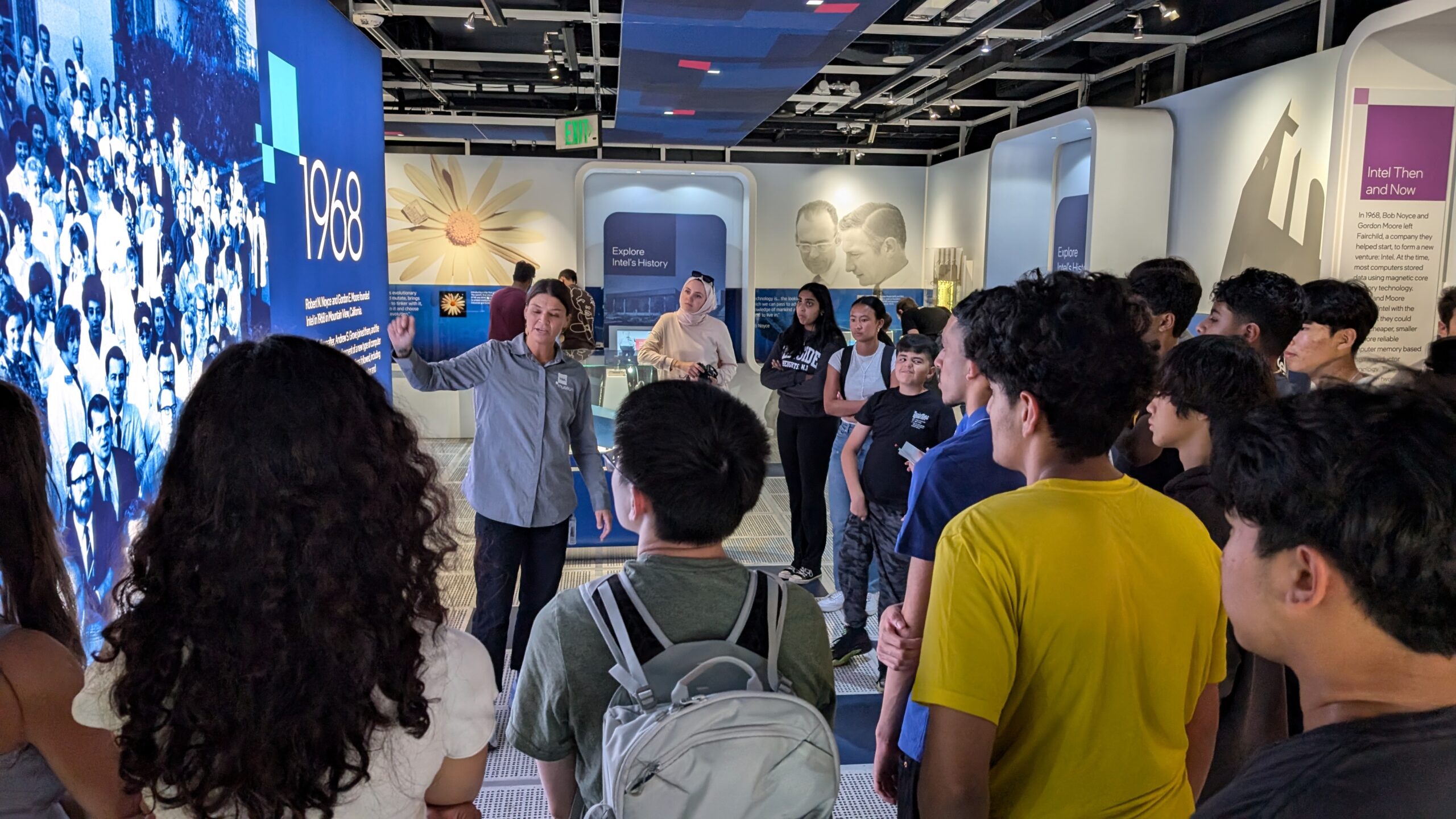
The weekend framework above mirrors what students experience at TechDev Academy’s Entrepreneurship Bootcamp on July 14-16, 2026 in Portola Valley, California — with one significant difference: at the bootcamp, students do all of this alongside Silicon Valley founders, investors, and peers from around the world.
https://www.youtube.com/shorts/R5d9UUpoxDY
The bootcamp compresses the startup ideation process into three intensive days — with expert mentorship at every stage, structured workshops, and a live pitch competition at the end. Students walk away with a completed startup concept, direct feedback from real founders, and a certificate of completion they can use in college applications.
What the three days look like in practice:
- Day 1: Keynotes from Silicon Valley founders, idea generation workshops, team formation, first mentor feedback
- Day 2: Business model workshops, one-on-one mentorship sessions, pitch deck development, practice pitch
- Day 3: Final pitch competition before a panel of judges, prizes, and celebration
The process is the same one covered in this article. The difference is the environment — and the people in the room.
⭐ For College Applications: Students who attend the bootcamp receive a certificate of completion and gain the kind of real entrepreneurial experience that stands out in competitive college applications. Our Elite College Prep Program helps students present this experience as compellingly as possible.
Frequently Asked Questions
Do I need a technical background to build a startup idea?
No. The process of identifying a problem, validating it, and designing a solution does not require coding, engineering, or any technical skills. Many of the most successful startups were built by founders with no technical background who partnered with technical people once they had validated their idea.
What if my idea already exists?
Good. It means the problem is real and people are willing to pay for a solution. The question is not whether your idea exists — it is whether you can execute it better, for a different customer, in a different market, or at a lower price. Most successful startups are not original ideas. They are better executions of existing ones.
How do I know if my startup idea is good enough?
You do not — not until you test it. The goal of the weekend framework is not to arrive at a perfect idea. It is to arrive at a testable one. A good enough idea is one that solves a specific problem for a specific customer who would pay for a better solution. Everything else is detail you figure out by building and testing.
Can high school students build real startup ideas?
Absolutely. Age is not a barrier to identifying real problems and designing real solutions. Some of the most innovative ideas in education, sustainability, and social impact have come from high school students who saw problems their own age group faces — and were close enough to the problem to design solutions that adults would never think of.
How is a bootcamp different from doing this process alone?
The steps are the same. The difference is speed, quality of feedback, and access. At a bootcamp like TechDev Academy’s Entrepreneurship Bootcamp, you get real-time feedback from Silicon Valley founders at every stage, peer pressure that keeps you moving when self-motivation fades, and a structured environment where the only thing you need to focus on is building your idea. Doing it alone is possible. Doing it with the right people in the room is significantly faster and produces a significantly stronger result.
What happens after the weekend?
The idea does not end when the weekend does. The next step is to test your minimum viable solution with real customers — not friends, not family, but people who match your target customer and have no reason to be kind about a bad idea. If they engage, iterate. If they do not, go back to the problem stage. The weekend is the beginning of the process, not the end.
The best way to learn how to build a startup idea is to actually build one.
TechDev Academy’s Entrepreneurship Bootcamp on July 14-16, 2026 gives students three days to do exactly that — with Silicon Valley mentors, structured workshops, and a live pitch competition in Portola Valley, California.
Spots are limited and the bootcamp is one week away.
Related Articles:
- 📄 What Happens at an Entrepreneurship Bootcamp for Students
- 📄 How to Prepare for a Startup Competition in High School
- 📄 Learning From Failure as a Young Entrepreneur
- 📄 Entrepreneurial Activities for Kids: 10 Ideas That Build Real Skills
- 📄 Career Guidance in High School: The Decisions You Make Today Define Tomorrow