
Mentorship for students exploring non-traditional paths is a critical need in a rapidly changing work environment. The traditional idea of a career as a straight line up a corporate ladder is becoming less relevant for Generation Z. This generation is moving toward a professional life defined by flexibility, independence, and purpose. A 2023 survey found that 61% of teens would rather start their own business than have a traditional job, showing a clear preference for self-directed work.
For today’s students, a “non-traditional career” is less about the gender makeup of a field and more about the structure of the work itself. These non-traditional career paths are built on new models of employment. Key examples include the gig economy, which involves short-term contracts, and the creator economy, where 16% of Gen Z now identify as influencers. Other common structures are portfolio careers, which involve multiple income streams, and niche entrepreneurship, where individuals build businesses around their specific passions. This reflects a deep change in how professional life is valued. The modern career is a compass used to navigate changing terrain, not a map with a fixed destination.
Why It Matters in Today’s Education
A profound disconnect exists between the guidance students receive and the professional world they will enter. Traditional career counseling was designed for a stable job market that no longer exists. With estimates suggesting as many as 85% of 2030’s jobs have not yet been invented, a fixed career map is obsolete. Students today need a compass to navigate a constantly changing world, not a map to a destination that may disappear. This requires a new focus on adaptable skills and resilience rather than a rigid, long-term plan.
This gap creates a crisis of confidence long before students enter the workforce. A 2025 report revealed that 72% of recent high school graduates feel unprepared for what comes next. The uncertainty follows them to college, where approximately 80% change their major at least once. This has long-term consequences, as a 2024 report showed that 52% of college graduates are underemployed one year after finishing their degree. For nearly half of those individuals, that status remains unchanged even a decade later.
The problem is deepened by a modern skills gap. Although Gen Z are digital natives, only 32% feel they possess the tech skills required for the future workforce. At the same time, 43% of managers find their Gen Z colleagues lack essential soft skills like communication. This is a systemic failure, not an individual one. When 41.4% of professional career counselors admit they are not confident in providing alternative career guidance, it creates a vacuum that mentorship must fill. This “Broken Marketplace” of misaligned educators, parents, and employers leaves students without the support they need.
Core Strategies
Modern mentorship is a collaborative partnership focused on building a student’s ability to manage uncertainty. The goal is to develop an entrepreneurial mindset, which includes skills like problem-solving, networking, and financial literacy. This approach prepares students for the realities of self-directed work by fostering adaptability and resilience from the start.
Step-by-Step Implementation Guide
Finding the right guidance for unconventional professions often means building a “Personal Board of Advisors” rather than searching for one perfect mentor. This involves connecting with a diverse group of people who can offer different kinds of support. You can start by using professional platforms like LinkedIn for digital outreach, engaging with experts in their field. Also, participating in niche online communities on Reddit or Discord can lead to organic connections with potential mentors. Do not overlook your existing informal networks, including professors, alumni, and even peers. Finally, you can learn a great deal from “unmet” mentors by following the work of authors and podcasters who are leaders in your area of interest.
Once you connect with a mentor, structuring the relationship is key. The mentee should drive the process by defining clear, specific goals. It is also important to agree on a communication schedule, such as a 45-minute video call once a month, to respect everyone’s time. For many in the creative industry, mentorship should center on project-based learning. This helps you build a tangible portfolio of work, which is often the most valuable asset in these fields. A mentor’s guidance through this process accelerates skill development and builds confidence.
Common Mistakes to Avoid
For a mentorship to succeed, both parties must avoid common pitfalls. Mentors should avoid giving overly direct instructions, as this prevents the mentee from developing problem-solving skills. They must also be sensitive to the generational differences in work values, recognizing that a desire for work-life balance is not a lack of ambition. Mentees, in turn, must avoid being passive. You are responsible for driving the relationship by scheduling meetings and preparing questions. It is also important to have realistic expectations; a mentor is a guide, not a job placement service. Finally, be open to receiving and acting on constructive feedback to make the relationship productive.
Real-Life Examples
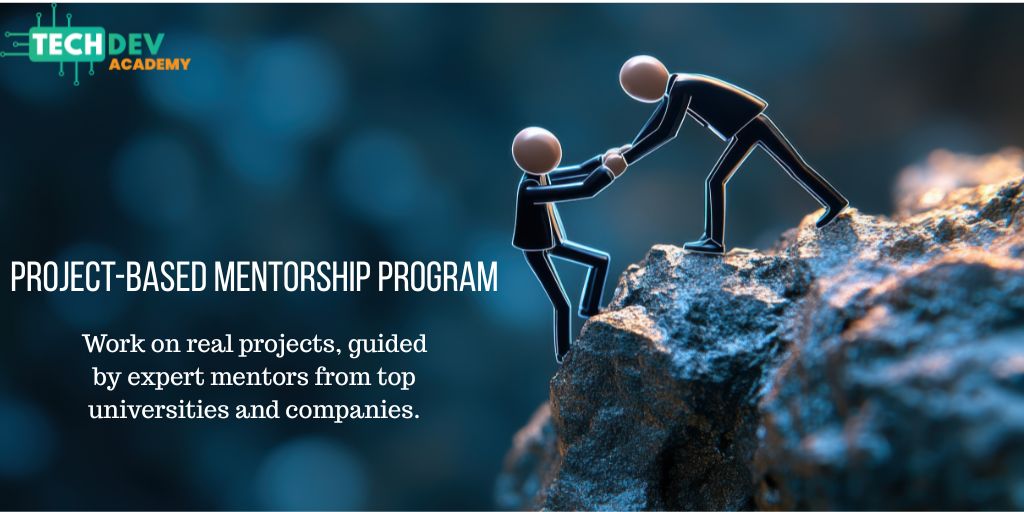
A mentor’s most important role is often to reduce the risk of exploration for students considering unconventional professions. They provide a safe and structured environment for young people to “prototype” their career ideas in small, manageable ways. This support lowers the psychological and financial barriers that can make it difficult to pursue these rewarding paths.
One common example is the niche entrepreneur. A student with a passion for a product, like sustainable home goods, may have no business knowledge. A mentor with a background in logistics or retail can provide a roadmap for the fundamentals, guiding the student through market validation, brand identity, and financial planning. The mentor might also help develop a low-cost social media marketing plan, teaching the critical lesson that a successful business requires a disciplined process.
Another archetype is the creative technologist. A student interested in an emerging field like AR/VR development may not have a clear educational path to follow. A mentor working in the industry can emphasize that a portfolio of tangible work is more valuable than a specific degree. The mentor can help brainstorm projects, provide expert feedback, and encourage the student to contribute to an open-source project on GitHub to demonstrate collaboration skills.
A third example is the purpose-driven freelancer. A student may want a career with a positive social impact but be unaware of the specific roles available. A mentor from the non-profit sector can provide crucial exposure, perhaps through an internship. This experience allows the student to build practical skills, like grant writing and using a foundation’s database, and learn that they can align their personal values with a flexible and impactful professional career.
Key Takeaways
These stories show how mentorship provides practical guidance. A business requires process, a tech career requires a portfolio, and a mentor can introduce you to professional worlds you never knew existed. Each example shows that the right guidance makes a complex path manageable.

Charting Your Own Course
The world of work has changed for good. The linear career paths of the past are being replaced by fluid, self-directed journeys that prioritize purpose and flexibility. For students entering this new landscape, the old rules and guidance systems are no longer sufficient. Success requires a new mindset, a different set of skills, and a support system capable of navigating uncertainty. Mentorship for students exploring non-traditional paths is the most effective way to build that support system.
A good mentor provides more than just career advice. They offer a real-world perspective that schools cannot, helping you build a practical portfolio, develop an entrepreneurial mindset, and connect with a professional community. They act as a compass, empowering you to find your own way forward. At Tech-Dev Academy, we provide students with this exact type of guidance, connecting them with mentors from top companies to help them prepare for college and the careers of tomorrow.
Frequently Asked Questions (FAQs)
What is the main goal of this type of mentorship?
The main goal is to build a student’s capacity for a self-directed career by developing adaptability, resilience, and an entrepreneurial mindset. This approach prepares them to create their own opportunities in a changing professional world.
Who benefits the most from this mentorship approach?
This mentorship is most critical for at-risk youth, students from underrepresented groups, and first-generation students. These individuals often lack the exposure and access to established professional networks that mentorship can provide.
What challenges might arise during implementation?
The biggest challenges include managing income instability, maintaining a healthy work-life balance, and securing benefits like health insurance. Students pursuing unconventional professions may also face a lack of support or understanding from their families.
How can mentors prepare for this role?
A good mentor must have high adaptability, strong coaching skills, and transferable business knowledge. They should also be authentic and willing to share their own failures to build a relationship based on trust.
What are the long-term benefits for students?
Long-term benefits include higher job satisfaction, greater earning potential, and better work-life integration. For example, the median income for skilled U.S. freelancers is $85,000, which is higher than the median for traditional full-time employees.